
Keyless entry cars have become the standard in modern automotive design, especially for German and other luxury brands. The convenience is undeniable: walk up to your car, pull the handle, and the doors unlock automatically. Sit down, press a button, and the engine roars to life—no key insertion required. For drivers, it feels like the future. But with this added convenience comes a question many car owners now ask: are keyless entry cars really as safe as manufacturers promise, or is the technology creating new vulnerabilities thieves are quick to exploit?
When keyless entry systems were first introduced, automakers pitched them as the ultimate blend of convenience and security. Traditional keys could be duplicated at hardware stores, but digital systems introduced coded communication between the car and the remote fob. Each fob transmits a unique radio frequency code that the car recognizes, making it nearly impossible for a traditional lock-pick or simple thief to break in.
Manufacturers also highlight the advanced encryption built into newer systems. Instead of a fixed code that could be copied, most modern fobs use rolling codes—meaning the signal changes every time the button is pressed or the car recognizes proximity. On paper, this should prevent duplication or replay attacks. To the average driver, it sounds foolproof.
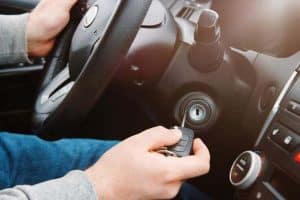
Independent testing tells a different story. The German automobile club ADAC has conducted extensive research on keyless systems across dozens of car brands, including BMW, Audi, Mercedes, Volkswagen, Toyota, and more. Their results are eye-opening: more than 99% of the vehicles tested could be unlocked and driven away using a simple “relay attack” device.
A relay attack doesn’t require breaking into the car or physically stealing the key. Instead, thieves use a pair of devices: one near the key fob inside a home and another near the target vehicle. The first device captures the fob’s radio signal and sends it to the second, which tricks the car into thinking the real key is present. In under a minute, the thieves can unlock the doors, start the engine, and drive away.
This isn’t just theory—it’s happening daily in cities across Canada, including the Greater Toronto Area. Police reports consistently highlight luxury German vehicles as top theft targets, largely because of their reliance on keyless systems and their high resale value overseas.
Myth 1: Keyless cars are impossible to steal.
Fact: Relay attacks and signal amplifiers make them vulnerable, sometimes more so than traditional keyed cars.
Myth 2: Rolling codes prevent cloning and hacking.
Fact: While rolling codes add protection against replay attacks, they don’t stop real-time relay thefts. The signal is relayed, not stored, which bypasses the code change entirely.
Myth 3: Only older models are at risk.
Fact: Even the latest German luxury vehicles have been shown to be vulnerable, unless they use ultra-wideband (UWB) technology, which is still rare.
Myth 4: Dealership updates completely secure your system.
Fact: Software updates help, but they cannot fix the fundamental flaw of passive keyless systems constantly broadcasting signals.
To address these weaknesses, some automakers are rolling out ultra-wideband technology in their newest models. Unlike traditional fobs, UWB measures the exact distance between the key and the car, making it harder for thieves to trick the system. Apple, Samsung, and BMW are already experimenting with UWB as part of their digital car key solutions. However, with millions of older keyless cars still on the road, it will take years before this technology becomes widespread enough to significantly reduce theft rates.
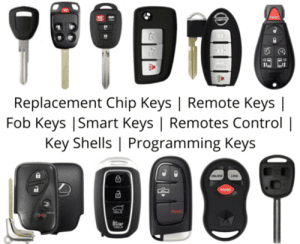
Keyless entry cars aren’t going away, but owners don’t have to accept being vulnerable to theft. Practical steps can dramatically lower the risks:
Faraday pouches or boxes: These simple, affordable cases block the fob’s signal when not in use, preventing relay theft.
Disable passive entry: Some German cars allow owners to turn off the constant broadcast function, requiring a button press instead.
Physical deterrents: Steering wheel locks, while old-fashioned, remain effective because thieves prefer quick, easy jobs.
Spare fob security: Avoid leaving spare fobs inside the car or near entryways at home, where signals can be easily amplified.
Professional locksmith support: Locksmiths with advanced automotive expertise can provide reprogramming, replacement fobs, or even aftermarket security upgrades that dealerships may not offer.
The rise of keyless entry is a perfect example of modern technology’s double-edged sword. On one hand, it makes daily driving smoother, quicker, and more enjoyable. On the other hand, it introduces vulnerabilities that traditional keys never faced. For German car owners, especially those with high-end vehicles, staying informed and proactive is essential.
Keyless entry cars are not inherently unsafe—but they are not the invulnerable systems automakers often suggest. Real security comes from combining manufacturer technology with smart habits and, in some cases, added aftermarket protection.
The truth about keyless entry systems lies somewhere between the marketing promises and the alarming headlines. They offer unmatched convenience and strong encryption, but they are not theft-proof. With relay attacks now a standard tool for professional car thieves, owners must stay one step ahead with protective strategies.
If you own a keyless German car in Mississauga or the Peel Region and want expert guidance on keeping your vehicle secure, Mississauga Locksmith provides trusted solutions, from fob replacement to advanced automotive security services.